Wy Do Baby Chickens Stretch Their Neck and Open Their Beaks
Signs your chickens might take gapeworm PLUS how to treat it
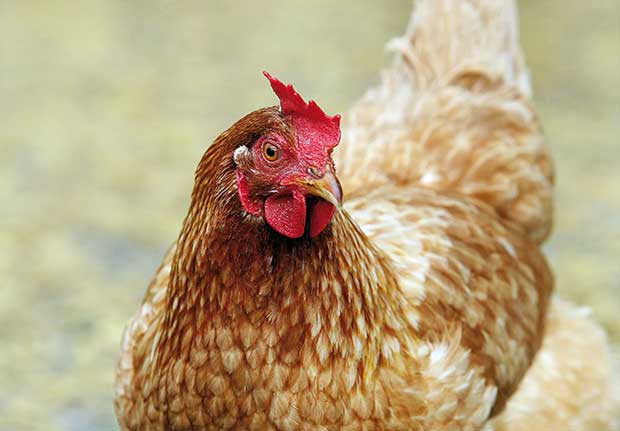
If your bird is coughing and gasping, it could exist a sneaky trivial worm.
When NZ Lifestyle Block reader Martin saw his Araucana hen Goldie gasping for jiff, making funny rasping noises and shaking her head, he thought she might exist thirsty. The but problem was, there was plenty of water available.
Goldie was all the same eating, drinking, and moving with the flock. She wasn't sneezing or coughing, and seemed fine the residual of the time.
However, after a particularly bad assail of gasping, Martin got in touch with NZ Lifestyle Block'south poultry expert Sue Clarke if she had whatsoever thoughts on what might be wrong.
"If a hen doesn't have any other symptoms of a respiratory trouble (ie, runny nose, sneezing, cough, runny eyes), and so my first immediate thought is gapeworm," says Sue.
"Information technology's a parasite that lives in the mankind of the bird'south throat and causes intermittent wheezing and gasping."
Many people mistake the difficulty a bird has with animate as some kind of respiratory infection and may requite their birds an antibiotic. This won't help if it'due south gapeworm and the bird will proceed to deteriorate.
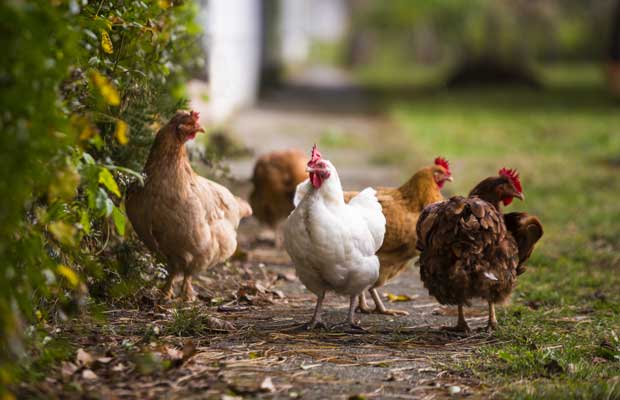
Male and female gapeworm spend their lives joined to each other, embedded in the throat of a bird. They feed off it, creating eggs that pass through the bird or are coughed out so the adjacent generation tin be eaten up past flies, earthworms, slugs and snails. These and so infect more members of the flock when they are eaten.
Gapeworm can become so numerous they really block the throat of an affected bird, stopping feed, h2o and eventually air from passing through, causing death. All types of poultry can be affected, including h2o fowl and game birds, peculiarly pheasants.
SYMPTOMS
The symptoms of Syngamus trachea are obvious from its Latin proper name (trachea=pharynx) and its common name, gapeworm. The starting time sign is a bird that is breathing with its mouth open (gaping), commonly with its neck extended upward as it literally gasps for breath, often making a hissing sound.
Other symptoms: coughing, fast caput-shaking (trying to articulate its pharynx), loss of appetite, loss of condition, weakness, emaciation, grunting due to difficulty breathing.
Immature birds get weak and deteriorate very quickly if badly affected. Adult birds tend to show fewer obvious signs, and some may show no signs at all.
Causes of decease: suffocation, dehydration/starvation.
Necropsy: long, bright-ruby worms, shaped like a Y, 5mm-20mm long, clumped in the trachea.
Treatment: Flubenol, a powdered worming product (available online), or Aviverm (large birds), a specialist liquid bird wormer (available from vet clinics, pet stores, and online).
Ongoing treatment: gapeworm is incredibly hardy, and volition remain viable in the soil for more than than four years, infecting and reinfecting a flock. They are particularly dangerous to young birds, so rotation of pens is important. Better yet, if you tin can, quarantine all young birds from adults as a good preventative measure. Rotary hoeing of soil and command of fly, snail and slug populations tin can likewise help forestall reinfection.
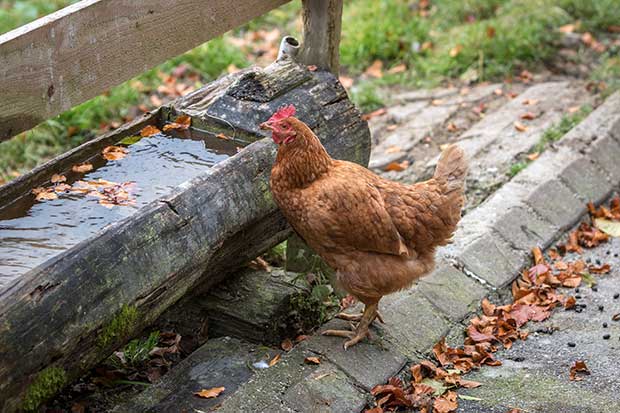
TREATING BIRDS WITH WORMS
What reader Martin discovered was you lot can get a bird to medicated water, but making it beverage is a whole other problem. He used the recommended dilution of Aviverm for large birds ($17-$18 for a 50ml bottle) diluted in Goldie's drinking water. Weigh your bird, then piece of work out a dose and add information technology to drinking water.
In this instance, for treating gapeworm, it's important to use Flubenol or Aviverm as they incorporate the chemical levamisol which works to kill the adult worms. Ivermectin-based products will not kill adult gapeworms. Treat all your birds, not but the ones showing symptoms.
In Goldie'southward case, she didn't drink any of the water with the Aviverm in it, so Martin mixed up some of the diluted h2o with wet kitten nutrient which she and then ate. Aviverm tin can be used in a second dose 24 hours later in a astringent example.
A couple of weeks later and Goldie's owners reported dorsum that their formerly quite scatty bird was now doing a lot improve, had stopped gasping and was now very happy to come upwards and eat out of their hands.
Beloved this story? Subscribe now!
 This article first appeared in NZ Lifestyle Cake Mag.
millernessiogs1971.blogspot.com
Source: https://thisnzlife.co.nz/signs-your-chickens-might-have-gapeworm-plus-how-to-treat-it/
0 Response to "Wy Do Baby Chickens Stretch Their Neck and Open Their Beaks"
Post a Comment